
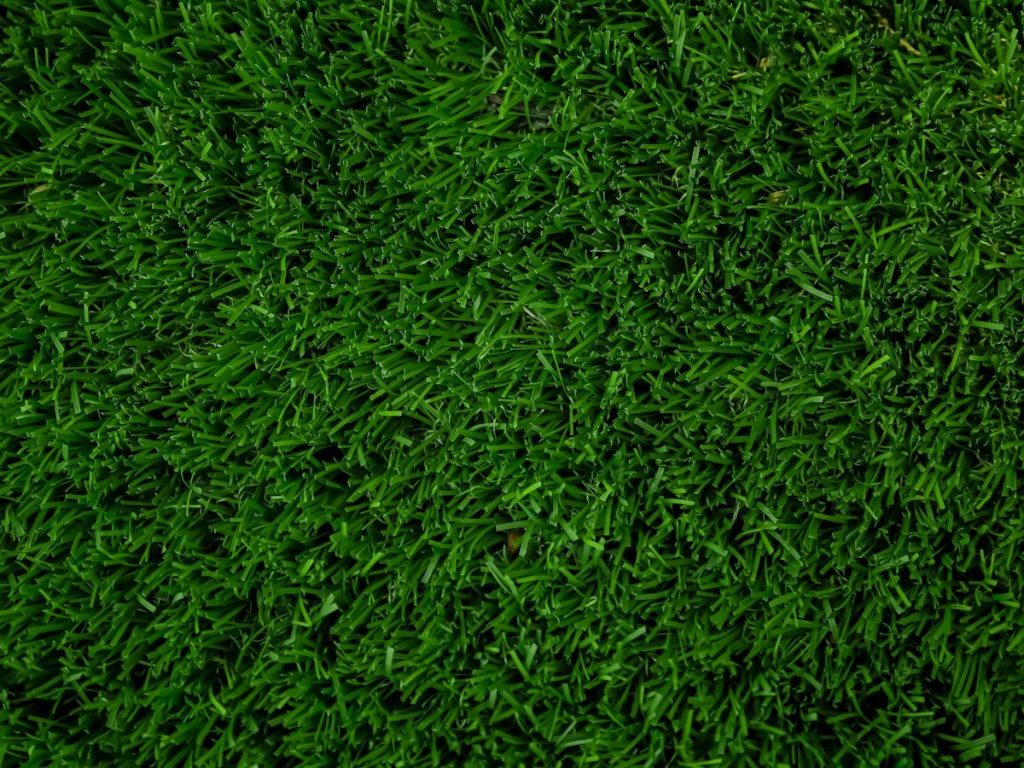
Artificial turf has evolved far beyond decorative lawns to become the foundational surface for high-impact sports facilities, municipal parks, urban rooftops, and commercial landscaping projects. While project stakeholders frequently prioritize carpet construction, pile height, and backing durability, a critical component often operates beneath the radar: the infill system. Far from being mere filler material, this substrate functions as the structural skeleton and shock-absorption matrix that dictates long-term performance. Ignoring infill specifications during the procurement phase inevitably leads to compromised playability, accelerated wear, and increased lifecycle costs.
Properly selected and installed infill replicates the dense soil profile of natural grass while compensating for the lack of root systems in synthetic systems. Without it, synthetic blades remain upright under foot traffic would rapidly flatten, lose their inherent resilience, and expose the backing layers to premature degradation. For commercial operators and facility managers, understanding the engineering behind infill selection is not optional—it is a prerequisite for delivering safe, compliant, and visually consistent surfaces across football turf networks, multi-purpose courts, playground environments, and hospitality landscapes.
Industry specifications have shifted toward hybridization rather than singular solutions. Modern commercial installations typically blend engineered silica sand with polymer granulates to balance vertical support with horizontal energy return. As sustainability mandates tighten and surface performance standards rise, contractors face increasingly nuanced decisions regarding material composition, application sequencing, and post-installation care. This analysis breaks down the operational realities of quartz sand versus rubber granules, evaluates emerging alternatives, and outlines installation protocols that protect capital investment while maximizing utility across diverse environments.
The Engineering Function of Synthetic Turf Infill
The primary mandate of any infill substrate is structural stabilization. Unlike natural ecosystems where roots anchor blades and permeable soil manages moisture, synthetic carpets rely entirely on distributed particulate matter to maintain upright posture and mechanical integrity. When athletes sprint, pivot, or land from jumps, the ground reaction forces transmit directly through the yarn fibers into the infill matrix. A properly calibrated mix disperses these loads laterally, preventing localized stress fractures that compromise both the backing and the underlying sub-base. This lateral force distribution also preserves the intended coefficient of friction, ensuring predictable ball roll and consistent traction across every square meter of a playing field.
Beyond mechanical support, infill plays a decisive role in microclimate management and fiber protection. Direct ultraviolet exposure degrades polyethylene and polypropylene polymers over time, gradually reducing tensile strength and causing color fading. A complete particulate layer acts as a physical shield, intercepting radiation before it reaches vulnerable stem nodes. Simultaneously, engineered silica varieties facilitate rapid water migration through the carpet permeability layers, directing runoff into subsurface grading networks rather than allowing pooling that accelerates microbial growth or creates hazardous slip conditions. Facilities ranging from rooftop decks to dense urban parks depend on this dual function—load bearing and hydrological routing—to maintain serviceability year-round without expensive remediation.
The interaction between infill density and pile geometry further dictates play characteristics. High-traffic zones demand higher volumetric loading to resist compaction, whereas recreational areas prioritize softer impact attenuation. Miscalculating these variables results in either overly rigid surfaces that increase joint fatigue or excessively deep beds that hinder ball velocity and stride mechanics. Procurement teams must align infill specifications with projected daily usage rates, peak seasonal volumes, and regulatory compliance benchmarks to avoid costly retrofits or liability exposures.
Quartz Sand Versus Rubber Granules: Head-to-Head Performance
Selecting between engineered silica sand and rubber granulates requires evaluating competing priorities: structural rigidity versus dynamic cushioning. Both materials dominate the market because they solve fundamentally different mechanical problems, yet they are rarely deployed in isolation. Understanding their individual behaviors allows contractors to design hybrid profiles tailored to specific sport codes and municipal requirements.
Engineered quartz sand delivers uncompromising stability. Its angular crystalline structure interlocks when compacted, creating a rigid lattice that firmly anchors carpet stems and prevents lateral displacement during high-velocity collisions. Superior drainage remains equally critical; water passes freely through the sand bed, eliminating saturation points that foster algae or rot. Specification adherence is non-negotiable—commercial grades must maintain clay contamination below one percent to prevent particle adhesion and subsequent clogging. Particle sizing must correspond precisely to pile depth, typically ranging between forty and eighty microns depending on the target application, ensuring complete burial without exposing abrasive edges to players’ skin.
Rubber granulates operate on an entirely different physics model. Sourced from industrial recycling streams or manufactured through controlled polymer extrusion, these particles excel at kinetic energy absorption. Their elastic deformation capacity converts blunt impact forces into dissipated heat, significantly reducing transmission to athlete joints during repetitive sprint cycles or fall scenarios. For municipal recreation centers and youth development facilities, particularly those covering kindergarten turf zones, selecting uniformly rounded rubber variants eliminates sharp fracture risks while preserving soft landing properties. The tradeoff involves reduced structural rigidity compared to mineral bases, requiring careful volume balancing to prevent excessive sinkage or surface irregularities after prolonged use.
| Performance Metric | Engineered Quartz Sand | Rubber Granules | Hybrid Combination |
|---|---|---|---|
| Structural Support | High (interlocking crystal lattice) | Low (elastic deformation) | Optimized (balanced load distribution) |
| Impact Absorption | Moderate (rigid transfer) | High (kinetic energy dissipation) | Customizable based on ratio |
| Moisture Permeability | Excellent (>90% drainage rate) | Variable (depends on particle size) | Balanced flow channels |
| Clay/Silt Contamination | Must be <1% for commercial grade | N/A (polymer based) | Managed via quality control |
| Primary Application Focus | Base stabilization, drainage | Shock padding, comfort layer | Sports pitches, multipurpose courts |
| Lifespan Degradation Factors | Physical abrasion, washing out | UV oxidation, heat retention | Extended through optimized mixing |
Hybridizing these materials captures the advantages of both matrices while mitigating inherent weaknesses. A typical commercial specification might allocate two-thirds of the target mass to silica sand for foundational anchoring, followed by a top layer of polymer granules to create a responsive playing field. This stratified approach ensures stems remain fully enveloped while preserving a forgiving strike zone. Facility operators planning specialized installations should consult application-specific guidelines, whether upgrading a dedicated athletic stadium or retrofitting a neighborhood park.
Emerging Infill Alternatives and Sustainability Mandates
Regulatory frameworks and corporate sustainability targets are reshaping procurement strategies across the synthetic landscape sector. While traditional mineral and polymer composites deliver proven performance metrics, facility owners increasingly demand materials aligned with circular economy principles and enhanced user comfort. Manufacturers now offer specialized infill lines engineered to address thermal reflection, volatile organic compound emissions, and end-of-life recyclability.
Thermoplastic elastomer compounds represent a significant evolution in polymer infill technology. Unlike standard crumb rubber derived from shredded tires, TPE formulations utilize virgin-grade resins processed under strict environmental controls. These granules exhibit superior color consistency, minimal dust generation, and drastically reduced odor profiles after prolonged solar exposure. Heat retention remains a legitimate concern for sun-drenched installations, but advanced reflective coatings applied during extrusion lower surface temperatures by several degrees Celsius compared to conventional alternatives. Schools, daycare campuses, and public athletic complexes prioritizing occupant wellness routinely specify TPE blends to meet stringent indoor air quality thresholds and reduce post-event cleanup logistics.
Organic substrates continue gaining traction in municipalities pursuing zero-waste initiatives. Processed coconut coir, wood fiber, and compost-derived aggregates provide fully biodegradable pathways that eliminate landfill dependencies. While natural fibers require precise moisture equilibrium maintenance and may exhibit slightly lower compression resistance than synthetic counterparts, their aerogel-like porosity promotes exceptional aeration and root-zone simulation for hybrid natural-synthetic transitional zones. Landscaping firms designing corporate campuses or hospitality venues seeking green building credits frequently incorporate organic matrices alongside traditional stabilizers to achieve certification milestones without compromising aesthetic uniformity.
Plant-derived polymeric hybrids bridge performance gaps while honoring ecological commitments. Derived from renewable feedstocks rather than petroleum derivatives, these next-generation compounds maintain identical elastic recovery curves to fossil-based equivalents yet carry transparent sourcing documentation throughout the supply chain. Procurement departments navigating complex vendor evaluations benefit from requesting full material safety data sheets and third-party environmental product declarations prior to contract execution. As municipalities enforce stricter pollutant discharge regulations, specifying certified low-emission fillings becomes less about marketing differentiation and more about operational continuity.
Precision Installation Protocols for Maximum Service Life
Even premium infill materials fail prematurely when deployed outside standardized engineering parameters. Execution precision during the spreading and grooming phases determines whether a facility achieves its designed service interval or experiences catastrophic performance drift within eighteen months. Commercial installers treat material placement as a calculated manufacturing process rather than a simple dumping operation.
Substrate preparation establishes the foundation for all subsequent operations. The underlying aggregate base must achieve specified compaction densities and cross-slope gradients before carpet deployment. Moisture ingress during installation traps humidity beneath the backing layers, accelerating adhesive breakdown and promoting fungal colonization. All particulate stockpiles require complete desiccation prior to application; handling damp material introduces unpredictable agglomination that sabotages distribution uniformity. Weather windows must be monitored rigorously, with active deployment restricted to periods forecasted for stable atmospheric conditions.
Layering sequences follow strict volumetric calculations mapped directly to carpet pile specifications. Initial silica deposition targets approximately sixty-six percent of the total desired cover height, mechanically working the granulate downward using motorized rotary brushes until complete stem envelopment occurs. Visual inspection confirms consistent burial depths across linear meters, with no exposed backing tape or tufted knot clusters remaining. Secondary polymer application proceeds immediately following verification, targeting the remaining elevation margin. Final grooming extracts excess material from the carpet face, maintaining a precise two to three millimeter emergence above the infill plane. This controlled exposure guarantees optical realism while protecting delicate stitch anchors from direct abrasion during heavy usage cycles.
Quality assurance checkpoints separate professional contractors from amateur deployments. Laser leveling instruments verify contour consistency across expansive rectangular boundaries, while tactile assessments confirm uniform springback response across quadrant testing grids. Documentation of delivery weights, application rates, and equipment calibration logs creates audit trails essential for warranty validation and future maintenance scheduling. Teams installing specialized configurations—whether transition ramps at racketball clubs, perimeter safety zones around padel courts, or elevated deck systems facing intense solar reflection—must adapt baseline protocols to site-specific constraints without sacrificing structural integrity.
Lifecycle Management and Troubleshooting Common Degradation Patterns
Synthetic surfacing transitions from passive infrastructure to active asset once occupied, demanding systematic stewardship to preserve original engineering tolerances. Neglecting routine intervention invites compaction cascades, channeling erosion, and progressive play surface deterioration that ultimately necessitates capital replacement rather than cosmetic repair. Facility managers implementing structured preservation programs consistently extend usable lifespans by four to seven years beyond baseline projections.
Scheduled mechanical agitation remains the cornerstone of operational readiness. Heavy-duty drag brushes or automated groomers run across designated corridors at least twice monthly during peak seasons, breaking compressed particle bridges and redistributing settled mass back into uniform suspension patterns. This periodic disruption maintains required void ratios for adequate aeration while continuously resetting the vertical stand angle that governs ball bounce predictability and cleat engagement dynamics. Interchanging brush configurations—transitioning from stiff bristle arrays for initial break-in periods to flexible polymer tines for mature surfaces—prevents unnecessary fiber abrasion while sustaining target compaction resistance levels.
Volumetric loss tracking requires disciplined inventory management. Field measurements comparing current edge elevations against factory specification records reveal cumulative migration trends caused by wind scour, irrigation runoff, or heavy vehicle compaction. When depletion exceeds twenty percent relative to original placement metrics, immediate supplemental application becomes mandatory rather than discretionary. Replenishment mixes should exactly replicate original particle gradations to avoid introducing compatibility mismatches that accelerate uneven settlement. Concurrent debris extraction removes accumulated leaf matter, pet waste remnants, and foreign particulates that obstruct permeability channels and generate unsightly discoloration patterns across otherwise pristine playing domains.
Diagnostic troubleshooting separates correctable anomalies from irreversible failures. Persistent localized depression typically indicates sub-base migration rather than infill deficiency, requiring targeted excavation and geotextile reinforcement rather than superficial topping. Surface hardness spikes suggest severe compaction requiring deep-agitation machinery intervention, while inconsistent ball tracking points to directional fiber lay disruption demanding professional reset procedures. Documenting incident frequencies, environmental triggers, and corrective actions builds institutional knowledge that streamlines future bidding processes and justifies preventive maintenance budget allocations. Forward-thinking operators view upkeep not as an expense category but as a strategic lever protecting multi-million-dollar asset valuations across evolving municipal and private portfolios.
The divergence between short-term cost minimization and long-term performance optimization hinges entirely on how project stakeholders approach infill engineering. Quarried minerals and engineered polymers function synergistically when deployed according to verified mechanical specifications, yet improper formulation or rushed execution undermines even the most robust carpet architectures. Commercial developers, facility directors, and contracting specialists must treat particulate distribution as a calculated scientific discipline rather than an incidental finishing step. Aligning material selection with projected traffic intensities, climate exposure profiles, and regulatory compliance thresholds establishes the foundation for durable, liability-minimized surface solutions.
Investing in professionally executed infill systems generates compounding returns across decades of continuous operation. Structured maintenance protocols preserve dimensional stability, optimize impact attenuation, and safeguard aesthetic consistency against aggressive usage patterns. As manufacturing capabilities advance and sustainability benchmarks tighten, procurement teams possess unprecedented tools to balance competitive pricing with uncompromising safety standards. Prioritizing engineered material science over commodity purchasing transforms temporary turf deployments into enduring commercial assets that elevate community programming, attract elite athletic competitions, and reliably deliver high-performance environments regardless of seasonal fluctuations or geographic constraints.