
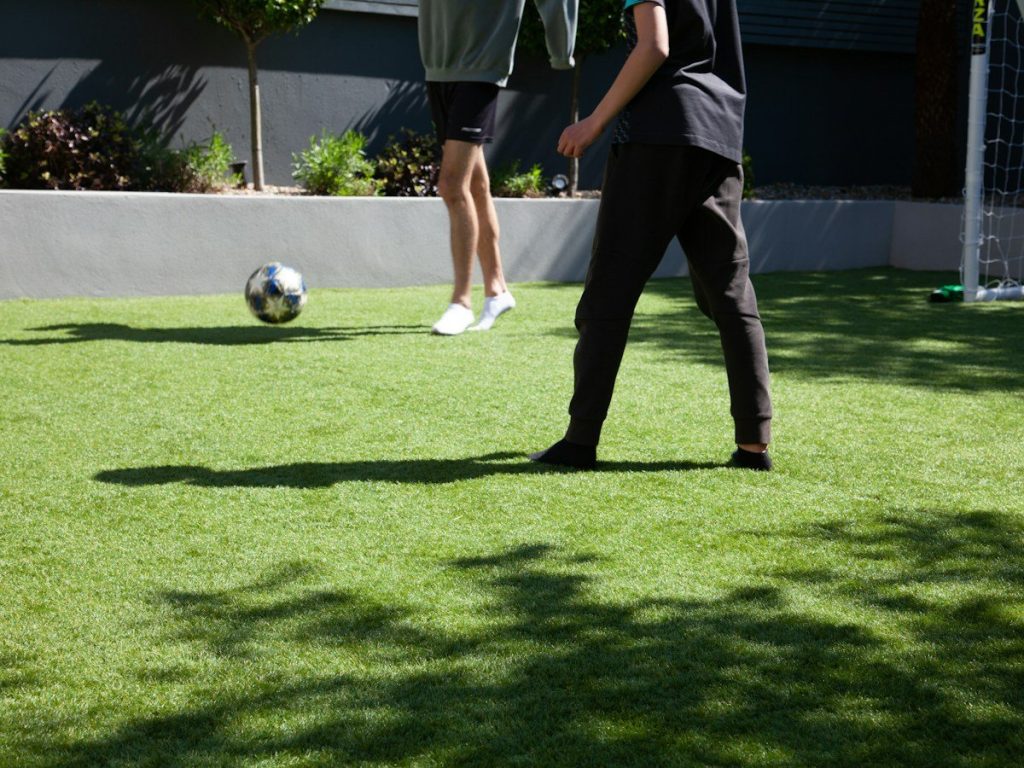
Artificial grass has become a staple across global infrastructure, valued for its resilience, aesthetic consistency, and reduced operational overhead compared to natural surfaces. From multi-use athletic fields to urban plazas and specialized recreational zones, commercial synthetic turf solutions deliver high-performance playability and landscape utility year-round. Yet, despite these advantages, odor emergence remains a persistent challenge for facility operators and contractors. Unwanted smells can trigger tenant complaints, undermine user experience, and expose projects to regulatory scrutiny. For professional stakeholders, understanding the mechanisms behind synthetic grass off-gassing is not merely a technical concern; it is a critical component of quality assurance, risk management, and asset longevity.
The presence of odor in installed turf is rarely accidental. It typically indicates underlying issues related to raw material composition, manufacturing processes, or installation methodologies. When polyethylene or polypropylene resins undergo incomplete polymerization, residual monomers and solvents can migrate to the surface, releasing volatile organic compounds (VOCs) into the surrounding air. Similarly, the adhesives used for seaming and the infill materials selected to stabilize the structure may contribute to the olfactory profile of the installation. Environmental factors such as ambient temperature, solar radiation, and airflow dynamics further influence emission rates, meaning that odor intensity can fluctuate significantly based on seasonal conditions and site geography. Recognizing these variables allows procurement teams and site managers to distinguish between harmless, temporary scents and warning signs of substandard materials.
Mitigating odor requires a comprehensive strategy that spans the entire project lifecycle. Effective management begins during the specification phase with rigorous vendor evaluation and material verification. It continues through careful execution of installation protocols that prioritize ventilation and chemical compatibility. Finally, it extends into post-installation maintenance regimes designed to capture and neutralize any remaining emissions. By adopting a science-based approach to odor control, commercial buyers can ensure their turf investments meet the highest standards of environmental health and safety, protecting both public well-being and organizational reputation.
Identifying the Root Causes of Odor in Synthetic Surfaces
To address odor effectively, professionals must first pinpoint the specific components responsible for emissions. Synthetic turf is a complex assembly, and off-gassing can originate from multiple layers within the system. The primary culprit is often the yarn itself. High-quality turf utilizes stabilized, UV-resistant polymers processed under controlled conditions to minimize residual volatiles. However, installations relying on cost-cutting measures may employ inferior recycled plastics or low-grade virgin resins that contain impurities. These materials can release sharp, chemical-like odors, particularly when exposed to heat. The scent profile can range from faintly plastic to pungently acrid, depending on the concentration of unreacted chemicals left over from production.
Polymer Composition and Stabilization
The base resin determines the baseline odor potential of the carpet. During extrusion, additives such as antioxidants, UV stabilizers, and colorants are introduced to enhance performance. If these additives are incompatible or improperly dosed, they can degrade over time, leading to secondary off-gassing. Furthermore, some manufacturers blend significant percentages of recycled content without adequate purification steps. While recycling supports sustainability goals, contaminated feedstocks may carry trace pollutants or absorbed odors from their previous life cycle. Transparent suppliers provide detailed formulations and evidence of thermal treatment processes that drive off volatiles before the final product leaves the factory floor. Selecting yarn systems with verified stabilization protocols is essential for odor-free performance in demanding applications.
Backing Systems and Adhesive Volatility
Beyond the grass blades, the backing matrix holds the fibers in place and provides structural integrity. Traditional latex or polyurethane coatings can be sources of emission if they cure incompletely or contain excess solvent carriers. Modern backing technologies favor water-based dispersions and low-VOC formulations that significantly reduce environmental impact. During installation, seam tape and joiner adhesives introduce another potential vector for odor. Solvent-based tapes, while offering rapid bonding strength, can persistently emit fumes if not properly aerated. Contract teams should advocate for zero-VOL or low-emission adhesives, ensuring that the chemical footprint of the entire system aligns with health-conscious specifications.
Infill-Related Off-Gassing Mechanisms
Infill materials serve functional roles by weighting the turf, supporting fiber uprightness, and providing cushioning. Common infill types include silica sand, coated sands, cork, coconut fiber, and thermoplastic elastomers (TPE). While inert materials like mineral sand pose minimal odor risk, organic infills such as cork or coconut can occasionally develop musty smells if moisture becomes trapped beneath the surface. Synthetic rubbers, once popular in sports fields, have faced criticism for potential leaching of polycyclic aromatic hydrocarbons (PAHs) and aromatic amines, which can produce distinct chemical odors. The industry trend is shifting toward TPE and SBR alternatives with tighter purity controls. Specifying infill grades with comprehensive safety data sheets helps eliminate this variable from the odor equation.
Assessing Health Implications and Liability Risks
Odor is more than a sensory inconvenience; it serves as an audible alert to potential health exposures. In occupational and public spaces, prolonged inhalation of elevated VOC concentrations can lead to acute symptoms including eye and throat irritation, headaches, dizziness, and nausea. Children, the elderly, and individuals with respiratory sensitivities are particularly vulnerable to these effects. Beyond immediate discomfort, chronic exposure to certain chemical emissions poses long-term risks, potentially impacting immune function and respiratory health over time. For facility owners, this translates directly into liability. Ignoring odor complaints can result in medical claims, regulatory fines, or mandated shutdowns, all of which erode the value of the investment.
Regulatory frameworks in many jurisdictions now mandate strict limits on indoor and outdoor air quality, influencing how synthetic surfaces are approved for use in sensitive environments. Schools, daycare centers, and healthcare facilities often require compliance with stringent certification standards to demonstrate that materials do not compromise occupant safety. Procurement decisions must therefore factor in the potential need for third-party validation. Documented proof of low emissions not only mitigates legal risk but also enhances marketability, signaling to clients and community members that the project prioritizes wellness. Establishing a culture of health-first specification helps protect stakeholders and fosters trust in the built environment.
| Component | Typical Chemical Emission | Primary Health Impact | Recommended Mitigation Strategy |
|---|---|---|---|
| Yarn Resin | Unpolymerized monomers, plasticizers | Respiratory irritation, headache | Specify neutralized, stabilized PE/PP with third-party testing. |
| Backing Coating | Solvents, residual urethane | Dermal sensitivity, CNS effects | Select water-based or certified low-VOC backing systems. |
| Seam Adhesives | Volatile organic compounds, tars | Nausea, allergic reactions | Use zero-VOL tape; ensure post-install ventilation periods. |
| Infill Materials | PAHs, aromatics (rubber); microbial volatiles (organic) | Chronic toxicity, musty odors | Prefer silica sand or TPE infill; avoid crumb rubber in play areas. |
| Contaminants | Ammonia, bacteria metabolites | Irritation, infection risk | Implement enzymatic cleaning routines; improve drainage. |
In environments like playground surfaces for children, the margin for error shrinks considerably. Young users engage in high-intensity activity, increasing respiration rates and thus potential intake of airborne contaminants. Parents and educators expect an impeccable safety record, making odor detection a top priority during acceptance inspections. Project managers should conduct sensory assessments alongside laboratory swabs during commissioning. Any discernible aroma during peak sunlight hours warrants investigation, even if initial readings appear nominal. Proactive health monitoring ensures that turf installations remain safe havens rather than sources of exposure.
Sourcing Odor-Resistant Products: Verification and Selection
Avoiding odor issues starts at the point of purchase. Buyers bear the responsibility of filtering out suppliers who cut corners on material integrity. The marketplace is filled with varying quality tiers, and price alone is an unreliable indicator of suitability. Ultra-low-cost offerings frequently rely on compromised feedstocks, inadequate curing processes, or insufficient waste management during production. To secure premium results, specifiers must demand transparency and verifiable data. Requesting a full package of documentation from vendors enables informed decision-making and builds a defensible paper trail for compliance audits.
Certifications and Laboratory Testing
Look for products backed by recognized environmental certifications. Standards such as CE marking, RoHS, REACH, and Cradle to Cradle indicate adherence to rigorous chemical restriction policies. Additionally, independent laboratory reports aligned with ISO 16000 or California Specification CA 0133 provide quantitative data on VOC emissions. These chamber tests simulate real-world conditions and measure the concentration of released compounds over time. Acceptable thresholds vary by region, but aiming for products that exceed the strictest benchmarks offers the best protection against future disputes. When evaluating proposals, ask suppliers to share recent test certificates rather than relying on generic claims. Direct access to raw data empowers buyers to compare apples-to-apples across different manufacturers.
Material Traceability and Manufacturing Audits
Supply chain visibility adds another layer of assurance. Manufacturers committed to quality will document the origin of their resins, the stability of their additives, and the rigor of their production line controls. Facilities undergoing regular environmental audits tend to produce more consistent outputs. During supplier meetings, inquire about their quality management systems, including statistical process control and batch testing protocols. Suppliers who can demonstrate continuous improvement in emission reduction through upgraded extrusion technology or advanced degassing stages represent lower-risk partners. Building relationships with forward-thinking producers encourages innovation and ensures access to next-generation formulations designed specifically for zero-odor performance.
Evaluating Total Cost of Ownership
While investing in certified, low-emission turf may entail a higher upfront cost, the long-term economics favor this choice. Remediation expenses, litigation fears, premature replacement due to user rejection, and lost rental revenue associated with odor closures can quickly surpass the initial savings of a budget product. Calculating the total cost of ownership includes factoring in maintenance burden, warranty claims, and brand equity preservation. Often, the premium paid for odor-controlled specifications yields dividends through extended asset life, higher tenant satisfaction, and smoother handover processes. Smart procurement treats material quality as a value multiplier rather than a line-item expense.
Mitigation Protocols: Installation Practices and Remediation
Even with superior materials, improper handling during installation can reintroduce or exacerbate odor issues. Execution errors create pockets where chemicals concentrate or where organic debris accumulates, fostering microbial growth. Contractors must follow disciplined workflows that respect the chemical properties of the components involved. Environmental control during the lay period is paramount. Performing installations in moderate temperatures prevents rapid solvent activation that could trap fumes within the backing. Ensuring adequate cross-ventilation aids in dissipating any transient emissions as they occur.
Optimizing the Install Environment
Ventilation strategies differ based on project location. Outdoor deployments benefit from natural airflow, but barriers like walls or dense vegetation can stagnate air around the perimeter. On rooftop deployments, wind patterns may assist aeration, yet confined edges might require mechanical fans to promote circulation. Indoor or semi-enclosed structures present greater challenges, necessitating active air exchange via HVAC systems or portable exhausters. After seams are completed and infill is swept, allow a mandatory curing period before allowing foot traffic. This buffer zone lets adhesives fully cross-link and volatiles escape. Rushing occupancy is a frequent cause of complaint, as the system has not reached equilibrium. Educating clients on appropriate waiting times manages expectations and prevents premature judgment of the installation.
Post-Installation Deodorization Techniques
If mild odors persist after installation, targeted interventions can accelerate resolution. Deep cleaning with pH-neutral detergents removes surface residues and preparation dust that may harbor scents. For more stubborn cases, enzymatic cleaners offer a biological approach to breaking down organic compounds. These formulations utilize microbes or enzymes to digest odor-causing molecules, converting them into harmless byproducts. This method is particularly effective in areas prone to organic buildup, such as zones near food concessions or pet amenities. Alternatively, ozone generators or UV-C light arrays can be deployed by trained professionals to oxidize volatile organics. Care must be taken to ensure these treatments do not degrade the turf fibers or infill properties. Always validate chemical compatibility with the manufacturer’s guidelines before applying aggressive treatments.
Long-Term Maintenance and Odor Management
Sustaining odor-free conditions relies on consistent upkeep. Regular brushing prevents fiber matting, which traps moisture and restricts airflow within the pile. Drainage integrity is equally vital; standing water creates anaerobic conditions that promote bacterial proliferation and foul smells. Inspect drainage layers periodically, especially in high-rainfall climates, to ensure perforations remain unblocked. Establishing a scheduled cleaning regimen using approved sanitizers keeps the surface hygienic and fresh. Tracking odor incidents in a maintenance log helps identify trends and addresses localized problems before they escalate. A well-maintained field not only looks pristine but also performs reliably without generating unexpected olfactory disruptions.
Application-Specific Odor Challenges and Solutions
Odor management must be tailored to the unique demands of each application. Multi-sport venues subject turf to intense friction and sweat exposure, generating heat and biological load. Football turf systems often incorporate thicker profiles and shock pads, which can retain warmth and slow dissipation of gases. Enhanced cooling technologies and reflective pigments help mitigate thermal accumulation, indirectly reducing emission rates. In contrast, putting greens and golf simulations focus on precision roll and acoustic properties, requiring smooth, compact surfaces where any deviation in texture or scent could distract players. Consistency is key here; even subtle inconsistencies in backing adhesion can reveal themselves as minor anomalies upon close inspection.
Pet-friendly environments introduce a distinct complication: ammonia. Animals excrete waste containing nitrogenous compounds that react with synthetic materials to produce strong, lingering odors. Addressing this requires specialized designs that facilitate rapid liquid passage and simplified waste removal. Specialized turf layouts feature enhanced drainage layers and antimicrobial coatings to inhibit bacterial colonization. Routine rinsing and enzymatic treatment are non-negotiable in these settings. Without diligent hygiene practices, organic buildup overwhelms even the lowest-emission materials, resulting in unacceptable smells. Providing customers with comprehensive care manuals ensures they maintain the system effectively, preserving both cleanliness and scent neutrality.
Landscape integrations blend turf with hardscapes, planters, and seating areas, creating microclimates that affect air movement. Landscape grass applications in courtyards or medians may face restricted ventilation due to surrounding architecture. Specifying lightweight variants with open-weave backings improves breathability. Incorporating decorative elements that encourage airflow, such as trellises or elevated planters, can further aid dispersion. Collaborating with architects and landscape designers early in the planning phase allows for holistic solutions that balance aesthetics with environmental performance. Integrated design thinking prevents isolated turf segments from becoming odor traps within larger ecosystems.
Odor in synthetic grass is a manageable variable when approached with technical rigor and proactive governance. By identifying root causes through material analysis, enforcing strict sourcing criteria grounded in certification and testing, and executing installation and maintenance protocols with precision, commercial buyers can eliminate odor-related risks. This discipline safeguards public health, satisfies regulatory demands, and upholds the reputation of every project. As the industry advances toward greener chemistries and smarter manufacturing, the opportunity to deliver truly clean, sustainable surfaces continues to expand. Stakeholders who commit to excellence in every detail will reap lasting benefits, creating vibrant spaces that perform beautifully and safely for years to come.
Partnership with reputable manufacturers who prioritize transparency and innovation is indispensable for achieving these outcomes. Such collaborators provide the expertise and resources necessary to navigate complex specification requirements and troubleshoot site-specific challenges. Whether planning a new stadium upgrade, renovating a school playground, or designing a corporate campus, focusing on odor control from concept to completion ensures durable success. With the right knowledge and tools, facility managers can confidently deploy artificial turf systems that meet the highest expectations of quality, comfort, and environmental stewardship, securing long-term value for all users and investors involved.