
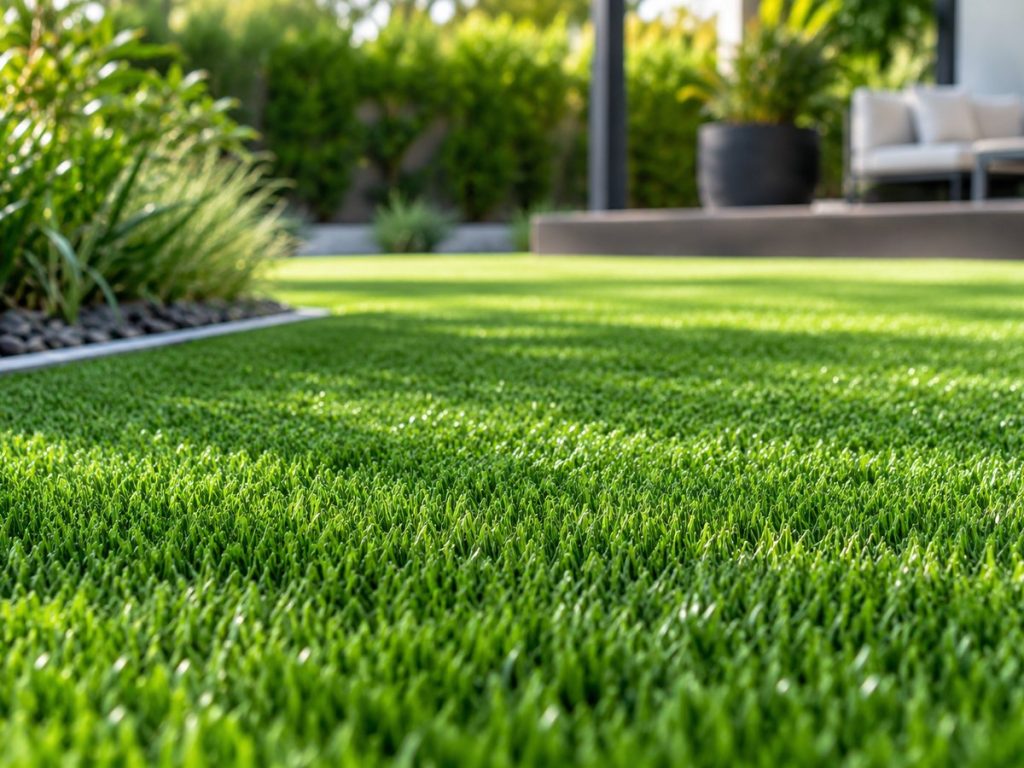
The selection criteria for artificial grass installations have evolved significantly in recent years, shifting from purely aesthetic and performance-based metrics to encompass rigorous health and hygiene standards. As facility managers, contractors, and landscape architects integrate synthetic surfaces into diverse environments—from enclosed exhibition halls and medical support centers to childcare institutions and residential complexes—the potential for microbial accumulation presents a tangible operational risk. Moisture retention, organic debris accumulation, and varying levels of air circulation create microclimates where bacteria and dust mites can proliferate, leading to odor generation, surface degradation, and potential allergen exposure.
For professional buyers, understanding the technological intervention behind modern protective systems is no longer optional. The distinction between superficial marketing claims and substantiated engineering solutions directly impacts lifecycle costs, liability management, and end-user satisfaction. Effective microbial suppression must address both the fiber matrix and the structural backing, ensuring that protection remains integral to the product rather than a degradable surface treatment. This guide provides a comprehensive analysis of current industry methodologies, focusing on how advanced antimicrobial formulations preserve structural integrity and maintain sanitary conditions across demanding application profiles.
Mechanisms of Action: Raw Material Integration versus Surface Treatment
Evaluating the technical architecture of protective treatments reveals distinct approaches to microbial control, each with specific implications for longevity and efficacy. The foundational challenge lies in delivering active ingredients to the points of highest bacterial colonization without compromising the physical properties of the polymer fibers or the tufted backing. Current manufacturing protocols generally categorize interventions into two primary modalities: intrinsic material modification and extrinsic surface engineering.
Intrinsic modification involves the dispersion of environmentally stable antimicrobial compounds directly into the resin feedstock during the extrusion process for yarn production. This method ensures that active agents are distributed uniformly throughout the cross-section of every filament, creating a continuous reservoir of protection. Because the additive becomes part of the molecular matrix during solidification, it resists abrasion, weathering, and mechanical cleaning. This approach effectively reduces the colony-forming units on fiber surfaces by disrupting cellular processes of common bacteria, thereby preventing biofilm formation that can lead to persistent odors and accelerated polymer embrittlement. For applications with zero tolerance for contamination, such as kindergarten turf, this level of internal integration is often considered essential to guarantee consistent performance throughout the service life.
Extrinsic surface engineering applies a specialized coating during the finishing stage, post-installation of tufting but prior to final delivery. This layer creates a localized barrier designed to neutralize pathogens upon contact. While surface treatments can achieve rapid initial efficacy, their durability is contingent on the chemical bonding strength of the coating to the substrate. High-quality implementations utilize cross-linking agents that adhere firmly to the polymer surface, mitigating the risk of peeling or wash-off during routine maintenance. However, industry consensus indicates that relying solely on surface treatment may leave the interior of thicker fiber bundles less protected compared to intrinsically modified systems.
Leading specifications increasingly mandate a synergistic dual-protection strategy. By combining bulk impregnation with targeted surface coating, manufacturers establish a multi-layered defense. The intrinsic additives handle baseline suppression within the fiber core, while the surface coating provides immediate contact-killing action on exposed areas. This composite approach maximizes coverage, minimizes the concentration of active chemicals required, and significantly extends the functional window of protection. Furthermore, compliant dual-system products are formulated to meet stringent emission standards, ensuring that volatile organic compounds remain undetectable and that no toxic residues leach into the surrounding soil or water systems, making them suitable for any sensitive environment, including balcony and terrace installations.
Structural Integrity and Lifecycle Extension Through Microbial Control
One of the most frequently overlooked aspects of artificial turf degradation is the biological acceleration of material failure. Microorganisms do not merely pose a health concern; they act as catalysts for physical deterioration. Certain bacterial strains and fungal spores capable of colonizing damp synthetic environments secrete enzymes and metabolic byproducts that can slowly break down polymer chains, particularly in polypropylene backings and adhesive bonds. Over time, this bio-erosion manifests as fiber brittleness, loss of elasticity, and delamination of the backing layer, forcing premature replacement cycles.
Implementing certified antibacterial and anti-mite systems serves as a preventative measure against this biochemical attack. By maintaining a sterile or near-sterile surface environment, the rate of organic decay is dramatically reduced. Field data suggests that turf equipped with robust, verified protection systems can extend its operational lifespan by a significant margin compared to untreated equivalents. In outdoor municipal projects where exposure to rain and humidity is constant, properly specified protected turf regularly achieves service periods exceeding eight years, whereas unprotected surfaces in similar conditions often succumb to mold-induced backing failure much earlier.
The financial implications of this extended durability are substantial for asset owners. A longer functional life defers capital expenditure on full replacements and reduces the volume of waste generated. Additionally, effective microbial suppression correlates directly with lower maintenance expenditures. Odor control eliminates the need for aggressive chemical sanitizers and frequent deep-cleaning operations that can themselves degrade the turf over time. Instead, routine removal of dry debris and occasional water rinsing suffice to maintain hygiene, preserving the visual appearance and playability of the surface. For large-scale commercial developments, these operational savings compound over the project’s lifecycle, offsetting the initial premium associated with specialized manufacturing.
Moreover, the anti-mite component addresses a specific vector of damage often ignored in standard durability models. Dust mites thrive in accumulated organic particulate trapped within the thatch layer. Their presence indicates a buildup of food sources that supports broader microbial growth. Suppressing mite populations interrupts this ecological cycle, preventing the introduction of additional allergens and reducing the load of decaying organic matter. This holistic approach ensures that the turf remains not only structurally sound but also aerodynamically clean, contributing to better air quality in adjacent zones.
Performance Metrics and Comparative Analysis
To facilitate objective evaluation during the procurement phase, it is valuable to compare the attribute profiles of standard synthetics against those enhanced with dual-protection technologies. The following matrix highlights key differentiators relevant to facility specification and risk assessment.
| Performance Attribute | Standard Synthetic Turf | Antibacterial/Anti-Mite System |
|---|---|---|
| Microbial Growth Potential | High susceptibility in humid/dark conditions | Inhibited growth; typically >99% reduction in tested bacteria |
| Fiber Degradation Rate | Accelerated by biofilm and enzymatic activity | Stabilized; resistant to biodegradation mechanisms |
| Backing Integrity | Vulnerable to mold and hydrolysis attacks | Preserved through suppression of fungal colonization |
| Odor Management | Prone to ammonia and musty odors over time | Significant reduction via elimination of odor-producing colonies |
| Expected Outdoor Lifespan | Baseline duration dependent on UV/stability | Extended performance; documented survival >8 years in wet climates |
| Maintenance Intensity | Requires periodic chemical sanitation | Reduced reliance on harsh biocides; water-based cleaning sufficient |
| Allergen Load | Can harbor dust mites and pollen-retaining debris | Active suppression of mite habitats and allergen proliferation |
This comparative overview underscores that the inclusion of protection protocols is not merely a value-add feature but a determinant of total asset performance. Buyers should insist on quantifiable data regarding these metrics rather than accepting generalized assurances.
Strategic Applications and Environment-Specific Requirements
The necessity for advanced microbial protection varies based on the intensity and nature of site usage. Procurement teams must align product specifications with the specific biological risks inherent to each scenario.
Childcare and Educational Institutions: Areas designated for children represent the highest tier of health scrutiny. Young demographics possess developing immune systems and exhibit prolonged ground-level contact, increasing ingestion and dermal absorption risks. Surfaces in these settings require the highest grade of antibacterial and anti-mite certification, verified by independent testing laboratories against recognized standards for pathogens like Staphylococcus aureus and E. coli. The combination of protection with softer pile heights enhances safety while ensuring the playground turf remains a hygienic play space free from hidden irritants.
Residential and Semi-Private Environments: Homeowners utilizing synthetic lawns for leisure or pets often struggle with localized odor issues and dampness beneath furniture or in covered patio areas. Selecting protected variants for these intimate spaces prevents the development of persistent smells and protects family members with respiratory sensitivities or allergies. Whether installing a lush lawn in a backyard garden or managing a compact urban greenspace, the assurance of innate protection offers peace of mind and preserves the comfort of the private domain.
Enclosed Commercial and Exhibition Venues: Indoor sports arenas, conference centers, and retail showrooms present unique challenges due to limited fresh air exchange and fluctuating humidity levels caused by crowd density. Synthetic surfaces in these confined volumes can become reservoirs for airborne particulates and spores if not properly managed. Antibacterial turf mitigates the risk of indoor air quality deterioration, ensuring the environment remains pleasant and safe for patrons and staff. The reduction in maintenance noise and chemical usage also aligns with sustainable building certifications and operational quietude.
Outdoor Municipal and Landscape Projects: Public parks, walkways, and community gardens face exposure to rainfall, leaf litter, and animal traffic. Without protection, these elements rapidly initiate mold growth on the backing and between fibers. High-performance treated turf withstands these stresses, maintaining a clean appearance and structural stability despite seasonal variances. This resilience minimizes public complaints regarding unsightly mold or foul odors, protecting the municipality’s reputation and reducing public works maintenance burdens.
Due Diligence: Verification Protocols for Specifications
The market contains numerous unsubstantiated claims regarding antimicrobial capabilities. To safeguard project outcomes, procurement specialists must employ a rigorous verification workflow. First, demand official test reports issued by accredited third-party laboratories. These documents must explicitly state the antibacterial rate and anti-mite rate, referencing applicable national or international testing standards. Reports should cover a comprehensive range of gram-positive and gram-negative bacteria relevant to the installation environment.
Second, conduct sensory evaluations during sample acquisition. Authentic products utilizing safe, encapsulated additives should exhibit no pungent or chemical odor. A sharp smell often indicates inferior additives or excessive volatile substances that may off-gas and violate indoor air quality regulations. Finally, inspect the physical construction. Premium protected turf exhibits uniform coloration across all filaments, indicating thorough mixing during extrusion. Any discoloration, staining, or visible residue suggests poor manufacturing quality control that could compromise the integrity of the protection system.
As the industry advances, ongoing research continues to refine these technologies, integrating more sustainable chemistries and enhancing durability against extreme UV and mechanical stress. Partnerships with manufacturers committed to transparent R&D and rigorous quality assurance ensure that buyers access innovations that deliver genuine health protection and extended service value, securing a legacy of hygiene and reliability in every installation.
The integration of antibacterial and anti-mite technologies represents a critical evolution in synthetic turf engineering, transforming passive surface materials into active contributors to environmental health and asset preservation. For commercial and specialized projects, the decision to specify protected systems yields measurable returns in reduced lifecycle costs, enhanced user safety, and elevated maintenance efficiency. By prioritizing dual-protection architectures and validating supplier claims through comprehensive documentation, procurement leaders can mitigate biological risks and ensure that synthetic landscapes perform reliably under the most demanding operational conditions. Ultimately, investing in scientifically validated microbial suppression is an investment in the long-term viability and reputation of the facility, aligning functional performance with the highest standards of modern hygiene.